Claim Your Free Estimate Today
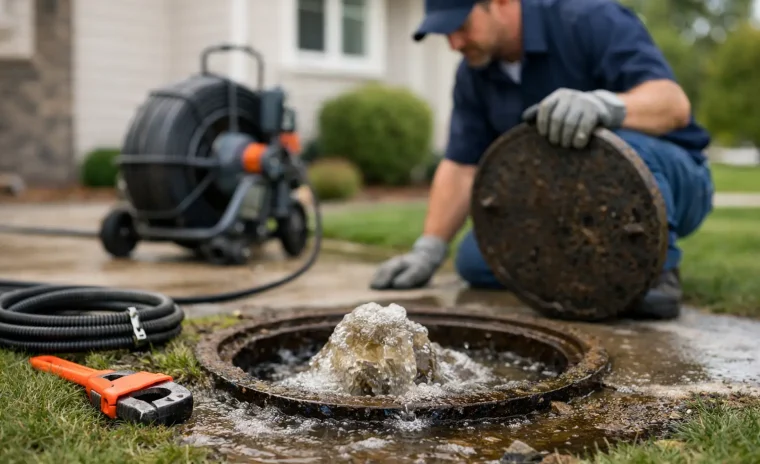
A sewer backup rarely starts as a dramatic emergency. It often begins with a toilet that bubbles when the washer drains, a shower that empties slowly, or an unpleasant sewer odor near a floor drain. Knowing how to prevent sewer backups means acting on those early warnings before wastewater comes back through the lowest drain in your home or business.
Why Sewer Backups Happen
Your plumbing system depends on a clear path from every fixture to the public sewer or septic system. When that path narrows or closes, wastewater has nowhere to go. It may rise through a shower, bathtub, floor drain, or toilet instead.
In Southern Arizona, common causes include tree roots entering aging sewer lines, grease buildup, flushable wipes, damaged pipe joints, and pipe sections that have shifted or collapsed. Some properties also have older sewer materials that can deteriorate over time. A heavy rain can make an existing restriction worse, but rain is not always the real cause. The underlying condition may be a blocked or failing private sewer line.
The key distinction is whether the problem is inside the building drain, in the private sewer lateral running to the street, or in the public sewer main. That is why repeated snaking without a proper diagnosis can become expensive. It may restore flow for a short time while leaving roots, broken pipe, or a low section of line in place.
How to Prevent Sewer Backups With Better Daily Habits
Good drain habits do not solve a damaged sewer pipe, but they can prevent many avoidable clogs and reduce the stress placed on your system.
Keep grease and food waste out of kitchen drains
Grease may go down warm and liquid, but it cools inside the pipe. It sticks to pipe walls, catches food particles, and gradually restricts flow. Collect cooking grease in a heat-safe container and dispose of it in the trash after it cools. Scrape plates into the garbage before rinsing them, even if you have a garbage disposal.
A disposal is designed for small food remnants, not large amounts of peels, fibrous vegetables, coffee grounds, pasta, rice, or cooking oil. Those materials can contribute to a blockage farther down the line.
Treat toilets as toilets, not trash cans
Only human waste and toilet paper belong in the toilet. Products labeled “flushable” can still remain intact long enough to snag on roots, grease, or rough pipe interiors. Paper towels, facial tissues, cotton products, dental floss, diapers, and hygiene products should all go in the trash.
This matters even more in commercial restrooms and rental properties, where one improper item can interrupt operations, create a sanitation concern, and affect multiple occupants.
Avoid chemical drain cleaners
A bottle of chemical cleaner may seem like the fastest answer to a slow sink, but it often does not reach the actual sewer-line blockage. Repeated use can also generate heat and chemical reactions that are hard on certain pipes and fittings. If the drain remains slow after basic cleaning, it needs a clear diagnosis rather than stronger chemicals.
Be thoughtful about what enters floor drains
Garage, laundry, and utility drains can collect lint, dirt, pet hair, cleaning residue, and debris. Keep drain covers in place where appropriate, clean them regularly, and avoid rinsing construction materials, paint, or heavy sediment into any drain.
Protect the Sewer Line Outside Your Building
Many backup problems are not caused by the fixtures inside. They start in the buried sewer line between the building and the connection point. This line is out of sight, which makes preventive service especially valuable.
Tree roots naturally seek moisture. A tiny opening at a pipe joint can be enough for roots to enter, then expand into a dense blockage. Cutting roots can restore flow, but the long-term solution depends on the pipe condition. If the line has widespread cracks, separated joints, or deterioration, a camera inspection can show whether repair or trenchless sewer lining is the more dependable option.
Be cautious when planting trees near the sewer route. You do not always need to remove a mature tree, but you should know where the line runs and discuss root risk before adding new landscaping. Avoid driving heavy vehicles over buried sewer lines as well. Excess weight can damage shallow or already weakened pipe.
If your property has an accessible sewer cleanout, keep it visible and reachable. Do not bury it under hardscape, store heavy items on top of it, or block it with permanent landscaping. A clear cleanout can save valuable time during an emergency and allows a technician to inspect or clear the line with less disruption.
Schedule Maintenance Before Drains Become an Emergency
There is no single maintenance schedule that fits every property. A newer home with light use may need less frequent attention than an older home with large trees, recurring slow drains, or a long sewer lateral. Restaurants, multifamily properties, and facilities with frequent restroom use may require a more regular maintenance plan.
For a property with a history of root intrusion or grease buildup, scheduled professional drain cleaning can be far less disruptive than waiting for a backup. Hydro jetting uses controlled high-pressure water to remove accumulated debris, grease, and certain root growth from suitable pipe systems. It is not a one-size-fits-all answer. A severely damaged or fragile pipe may need repair first, which is why evaluating the line matters.
A sewer camera inspection is particularly useful when backups recur, a home has older plumbing, or you are buying a property with an unknown sewer history. It allows the technician to see the condition of the pipe instead of guessing from symptoms. You should receive a clear explanation of what was found, what can wait, and what needs prompt attention.
Watch for These Early Sewer Backup Warnings
A single slow sink may be a local drain issue. Several fixtures acting up at once usually point farther downstream. Pay attention if you notice toilets bubbling, water rising in a shower or tub when another fixture drains, multiple slow drains, recurring clogs, sewer odors, or wastewater near an outdoor cleanout.
Do not ignore a problem that temporarily disappears. A partial blockage can shift, allowing water to pass for a while before it catches debris again. That pattern is common with roots, grease buildup, and damaged pipe sections.
If sewage appears inside the building, stop using water right away. Do not flush toilets, run dishwashers, shower, or do laundry. Keeping water out of the system limits the amount that can return through low drains. Keep people and pets away from affected areas, especially where sewage is present, and arrange for qualified plumbing service as soon as possible.
Consider Backup Protection When It Fits the Property
Some properties can benefit from a backwater valve, which is designed to help prevent wastewater from flowing backward into the building during certain sewer surcharges. It can be a useful layer of protection, particularly for buildings with low-level fixtures or areas prone to municipal sewer overflow.
However, a backwater valve is not a substitute for repairing a blocked private sewer line. It must also be installed correctly and kept accessible for inspection and maintenance. When the valve closes during a surcharge event, water from inside the building may not be able to drain until the condition clears. That trade-off should be explained before installation.
A professional assessment can also identify whether adding or improving a cleanout, repairing a damaged section, or lining an aging sewer pipe will provide better long-term protection. The right option depends on the pipe material, location, depth, damage, and the cause of the restriction.
Protecting Commercial Properties From Sewer Interruptions
For businesses, a sewer backup can mean closed restrooms, lost operating time, cleanup costs, and an unpleasant experience for customers or tenants. Property managers and facility teams should treat recurring drain issues as an operational concern, not just a maintenance inconvenience.
Document problem locations, dates, and the fixtures affected. This helps identify patterns and gives the plumbing team useful information before service begins. Establishing routine drain maintenance for high-use restrooms, kitchens, laundry areas, or grease-producing operations can reduce surprise shutdowns.
When a backup occurs, clear communication matters. A qualified contractor should identify the likely source, inspect the line when needed, explain the available repair options, and complete clean workmanship that helps your property return to normal safely.
A sewer backup is never convenient, but it is often preventable or manageable when warning signs are addressed early. If drains are slowing down, toilets are bubbling, or backups keep returning, Acclaimed Drain And Plumbing Solutions LLC can diagnose the real cause and provide clear options for restoring dependable flow before a small issue becomes a sanitation emergency.